Optovera is based on the Pupillary Light Reflex (PLR), an involuntary response controlled by the autonomic nervous system. This reflex adjusts the pupil’s diameter in response to light and can be affected by fatigue, substance use, medications, or illnesses.
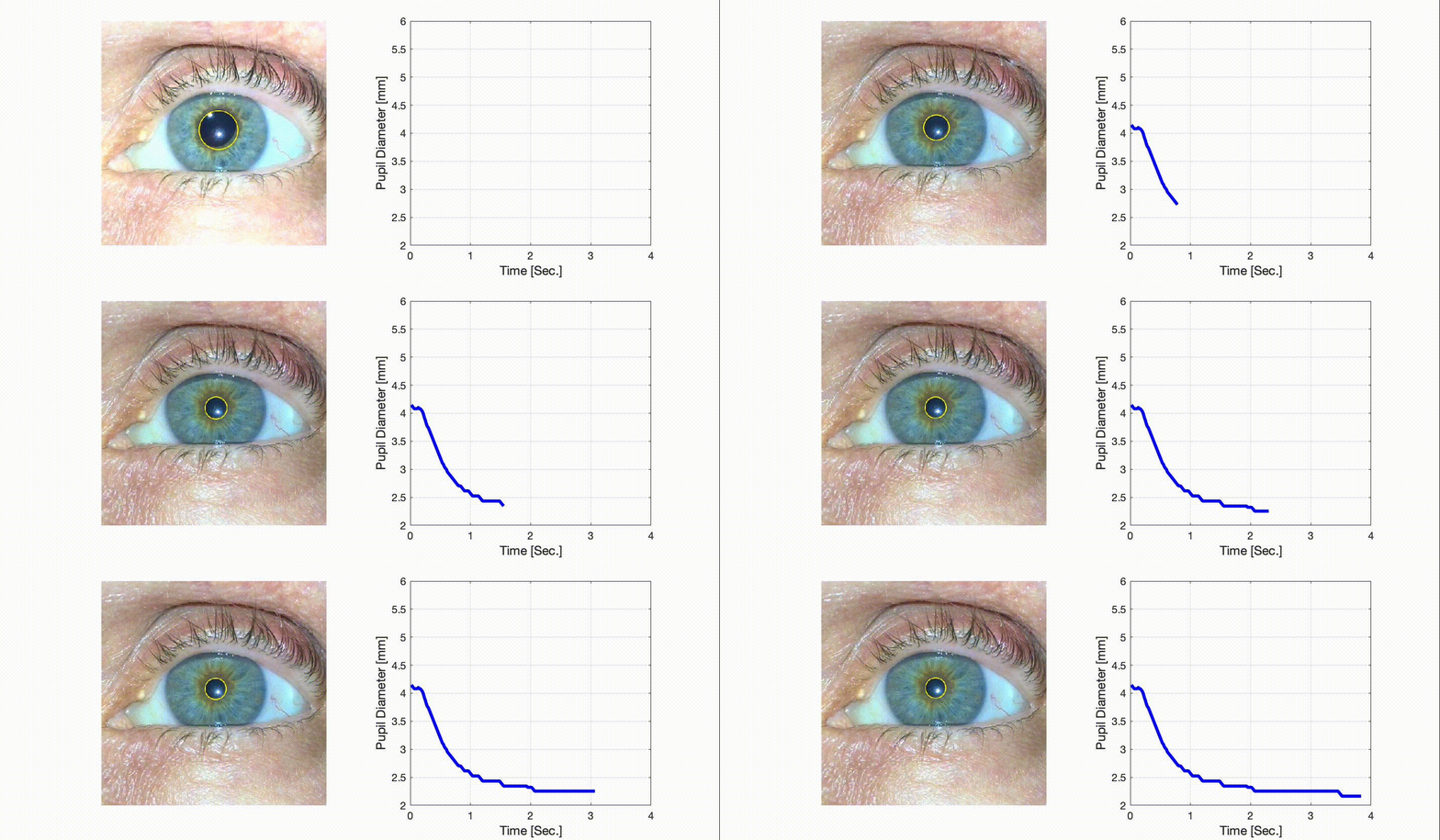
Optovera accurately analyzes several PLR parameters, comparing them against each worker’s individual baseline built from prior tests. This helps identify significant functional deviations.
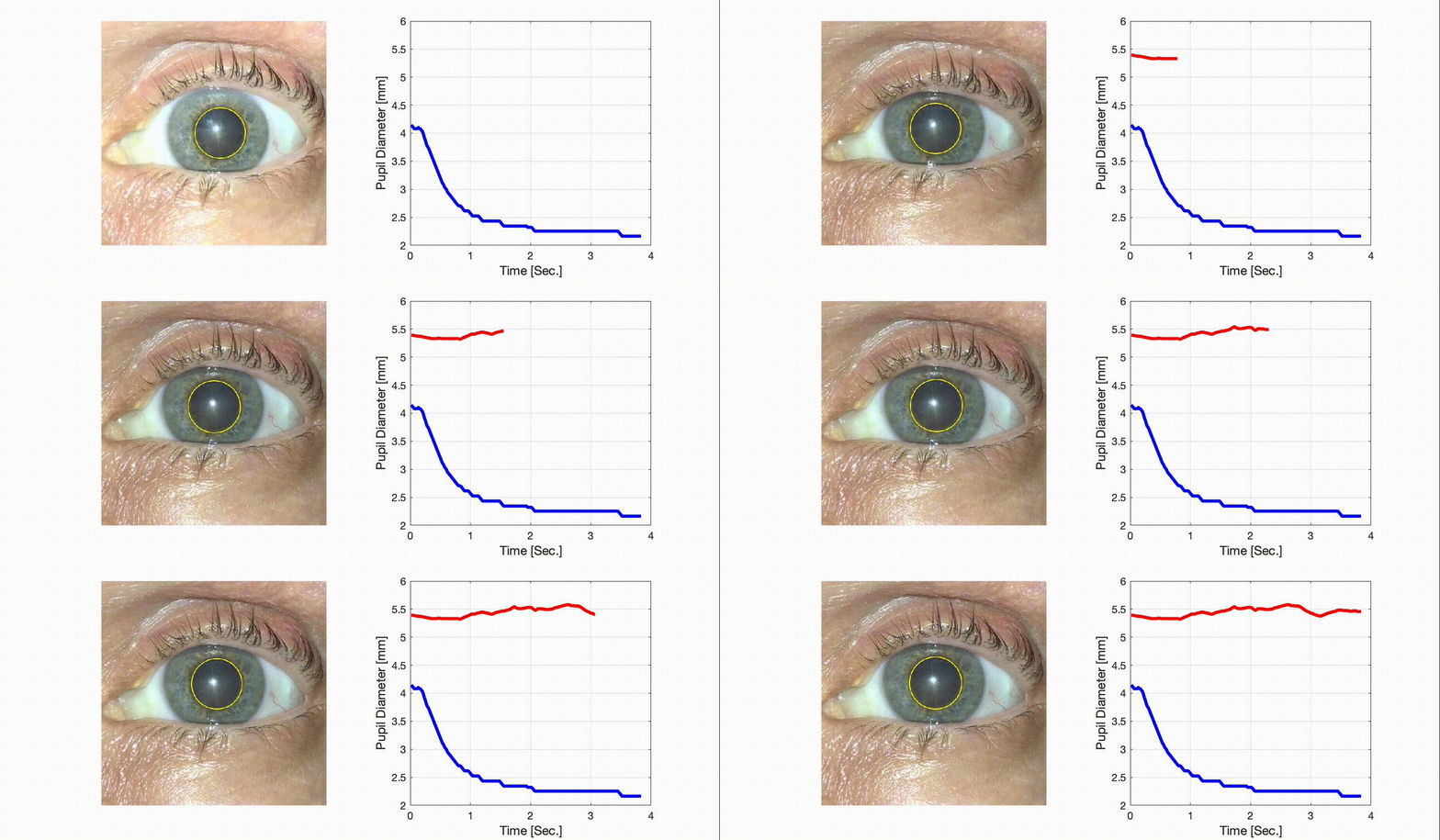
Parameters measured by Optovera
-
Initial Pupil Diameter (IPD): the size of the pupil before light stimulus. A larger or smaller diameter may reflect neurological changes, fatigue, or substance use.
-
Contraction Amplitude (CA): difference between the initial and minimum diameter after light exposure. Reduced contraction may indicate impaired responsiveness.
-
Latency (L): time it takes for the pupil to begin contracting after the light stimulus. Longer latency is often linked to fatigue or use of nervous system depressants.
-
Contraction Velocity (CV): speed at which the pupil contracts. Slower speed suggests reduced cognitive and motor capacity.
Relevance of these parameters in HSE
Measuring these variables allows safety teams to:
-
Obtain a direct, physiological indicator of autonomic nervous system status.
-
Detect alterations due to multiple causes (not only fatigue, but also alcohol, drugs, medications, or health conditions).
-
Access objective, standardized results — not reliant on worker self-perception.
-
Identify risks in real time, before a critical task begins.
Conclusion
Optovera measures specific parameters of the PLR, offering insight into the functional state of the autonomic nervous system. This makes PLR a practical and reliable indicator for risk management in industrial operations, empowering HSE teams to make real-time, data-driven decisions.